
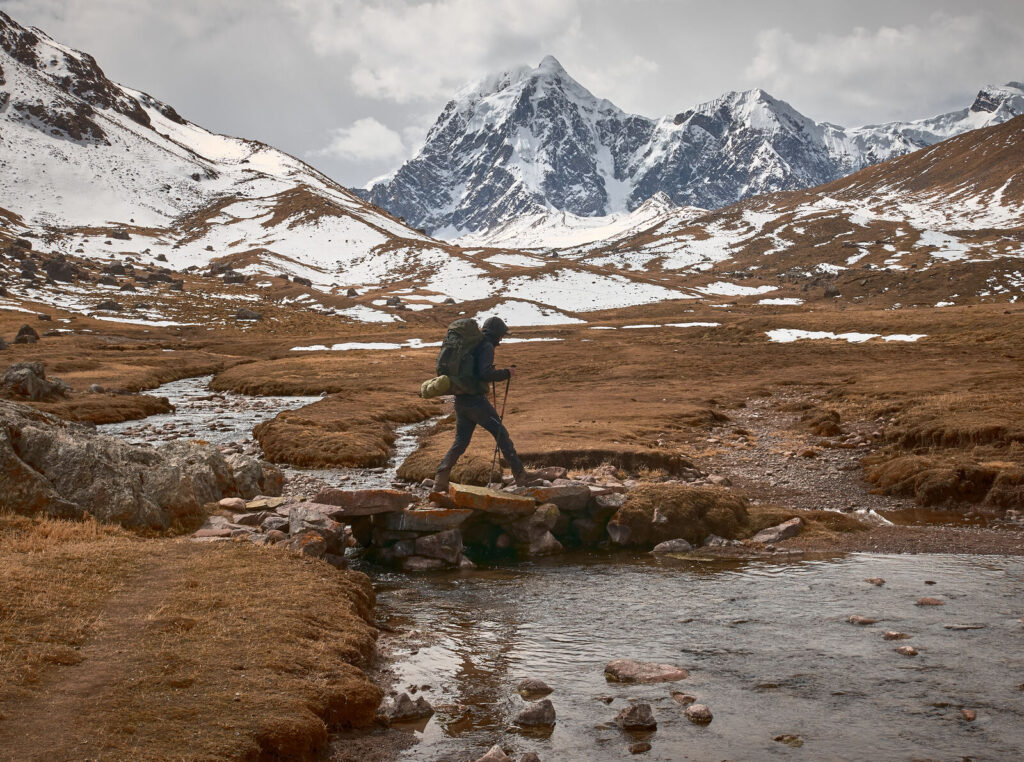
Altitude sickness in Quito is common in the first day or two, since the city sits at 2,850 meters (9,350 feet), making it the second-highest capital city in the world, so mild altitude sickness — known locally as soroche — is common in the first day or two. Symptoms (headache, shortness of breath, fatigue, mild nausea) usually appear within 6–24 hours of arrival and fade within 2–3 days as your body adjusts.
Quick answer: dealing with altitude sickness in Quito
- Take it slow on day one — skip strenuous hikes, walk rather than rush
- Hydrate — drink 2–3 liters of water daily, skip alcohol for the first day or two
- Eat light, carb-heavy meals — potatoes, rice, bread help your body adjust
- Try coca tea – sold everywhere in Quito, a traditional remedy for mild symptoms
- Symptoms usually pass in 2–3 days; if they worsen instead of improving, seek medical care
Why Quito’s altitude affects travelers
At 2,850m, the air in Quito carries meaningfully less oxygen than at sea level, which is why even a short walk uphill can leave you more out of breath than expected on your first day. Most travelers feel some combination of headache, mild dizziness, fatigue or shortness of breath during physical activity — this is normal and usually resolves within 48–72 hours as your body starts producing more red blood cells to compensate.
How to prevent or reduce symptoms
Arrive gradually if you can
If your itinerary allows it, spending a night at a lower elevation before Quito (or simply not scheduling strenuous activity on arrival day) gives your body a head start. If you’re flying straight in, plan your first day as a low-key one — walking Old Town’s plazas is fine; the TelefériQo cable car up to 4,050m is better saved for day two.
Hydrate and go easy on alcohol
Drink at least 2–3 liters of water a day and limit alcohol and caffeine for your first day or two — both can worsen dehydration, which compounds altitude symptoms.
Eat carbohydrate-rich meals
Potatoes, rice, quinoa and bread are easier for your body to process at altitude than heavy, fatty meals. This happens to line up well with Quito’s traditional cuisine — see our guide to Ecuadorian food in Quito for what to order.
Try coca tea or natural remedies
Coca tea (mate de coca) is sold in most hostels, hotels and cafés in Quito and is a traditional, mild remedy for altitude symptoms. Ginkgo biloba and vitamin C are other remedies some travelers use, though none are a substitute for pacing yourself.
Ask your doctor about medication in advance
For travelers with a history of altitude sickness, or those heading straight to higher elevations like Cotopaxi, a doctor can prescribe acetazolamide (Diamox) before the trip to help prevent symptoms.
When symptoms are more serious
Mild soroche is uncomfortable but not dangerous and typically improves within a few days. Seek medical attention if you experience severe headache that doesn’t respond to rest and water, confusion, difficulty walking, or shortness of breath at rest (not just during exertion) — these can be signs of more serious altitude illness and are treated by descending to lower elevation and getting medical care.
Planning activities around altitude
Save higher-exertion activities — the TelefériQo, day trips to Cotopaxi (where the José Rivas Refuge sits at 4,800m), or longer hikes in Guangüiltagua Park — for your second or third day once you’ve had time to adjust. See our Quito itinerary guide for how to pace a multi-day visit around acclimatization.
Frequently asked questions
How long does altitude sickness last in Quito?
Mild symptoms typically appear within 6–24 hours of arrival and resolve within 2–3 days as your body acclimatizes.
What are the symptoms of altitude sickness in Quito?
The most common symptoms are headache, fatigue, shortness of breath during exertion, mild dizziness and occasional nausea.
Can I take medication to prevent altitude sickness before visiting Quito?
Yes, acetazolamide (Diamox) is commonly prescribed to prevent or reduce altitude sickness symptoms — consult your doctor before your trip, especially if you plan to visit Cotopaxi.
Is Quito’s altitude dangerous for healthy travelers?
For most healthy travelers, Quito’s altitude causes mild, temporary discomfort rather than danger. Travelers with heart or lung conditions should consult a doctor before the trip.
Should I avoid alcohol in Quito because of the altitude?
It’s wise to limit alcohol for your first day or two, since it can worsen dehydration and altitude symptoms — after that initial adjustment period, most travelers feel fine.
Planning your first days in Quito? Staying in the walkable Historic Center means you can pace your first day gently without missing out. Book your stay at Community Hostel Quito and ease into the altitude at your own speed.