
Where to stay in Quito comes down to two main areas: the Old Town (Historic Center), for colonial architecture and easy access to Quito’s main sights, and La Mariscal, for nightlife, budget hostels and a younger backpacker crowd. Both are considered safe in the touristy parts during the day — the right choice mostly comes down to what kind of trip you want.
Quito is a big, spread-out city, and where you sleep shapes your whole trip: how much you walk versus taxi, what you see out your window each morning, and how easy it is to meet other travelers. Here’s an honest breakdown of the two most popular areas, plus a couple of others worth knowing about.
Quick answer: Old Town or La Mariscal?
- Choose Old Town if: you want colonial architecture, museums, plazas and churches on your doorstep, a quieter atmosphere, and you’re staying 3 days or fewer.
- Choose La Mariscal if: nightlife and bar-hopping are a priority, you want the highest concentration of budget hostels, or it’s your first time in South America and you want a very tourist-friendly base.
- Budget: hostel dorms run roughly $8–15/night in either area; mid-range hotels are typically $40–80/night.
- Safety: both areas are fine during the day in the touristy core — stick to well-lit main streets and take a taxi after dark in both.
Old Town (Historic Center)
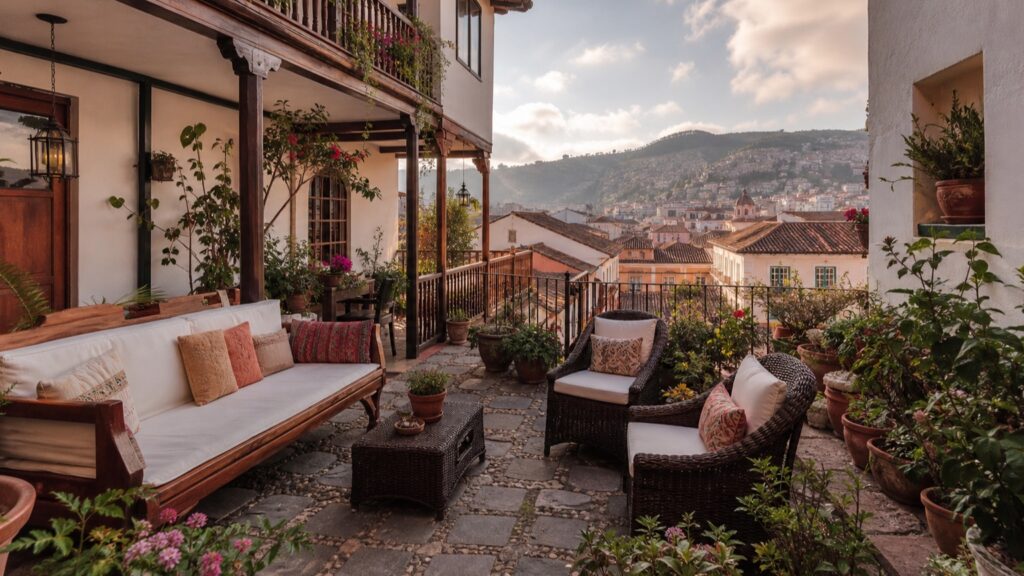
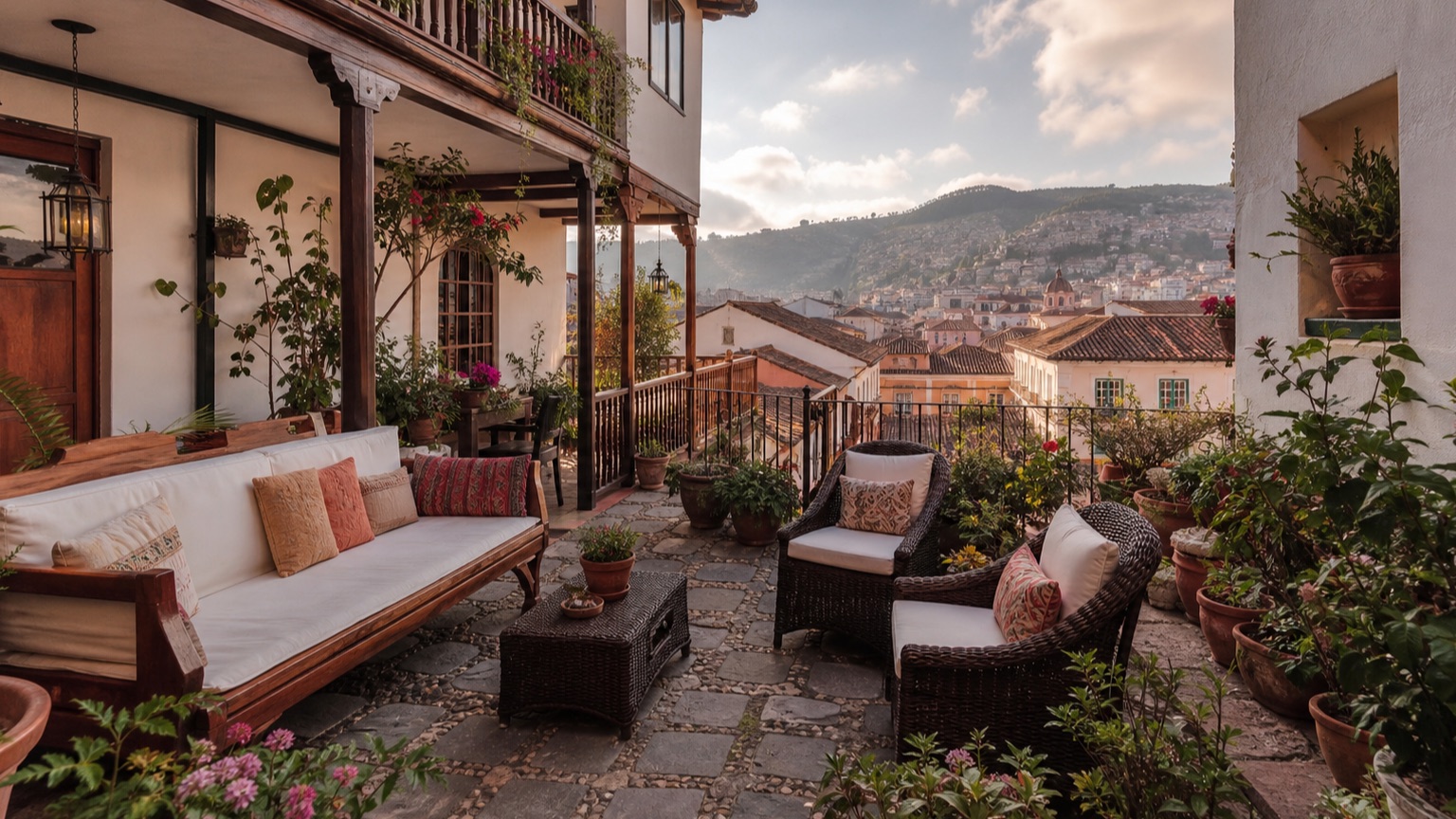
Quito’s Old Town is one of the largest and best-preserved colonial centers in the Americas, and one of the first UNESCO World Heritage Sites in the world. Cobblestone streets, baroque churches and 16th-century plazas make it feel like a living museum — read our full guide to Quito’s Old Town for the highlights.
Good for: travelers who want culture and history within walking distance, shorter stays (2–3 days), and a calmer base to sleep at night.
Keep in mind: Old Town is quieter after dark. The streets are atmospheric at night but you’ll want to stick to the main, well-lit routes rather than wandering side streets.
Community Hostel Quito is based here, in the La Tola neighborhood, five blocks from Plaza Grande. Even though Old Town doesn’t have La Mariscal’s club scene, the hostel fills that gap with its own rooftop bar and restaurant, a free walking tour, weekly salsa classes and social events, and a coworking space for anyone working remotely — so you get the colonial setting without missing out on meeting people. It’s also a 10-minute walk from both La Alameda and Itchimbía parks (see our Itchimbía Park guide) and about 10 minutes by taxi from La Mariscal’s bars if you want the best of both worlds.
La Mariscal
La Mariscal, centered on Plaza Foch, is Quito’s tourist and nightlife hub. It has the highest concentration of hostels, bars, clubs, restaurants and tour agencies in the city, all within walking distance of each other.
Good for: backpackers, solo travelers, and anyone prioritizing nightlife and a very walkable, tourist-oriented setup.
Keep in mind: it can feel more touristy than Old Town and doesn’t offer quite the same colonial atmosphere. Petty theft risk is slightly higher at night, same as in any nightlife district — keep valuables close and avoid poorly lit streets.
Other areas to know about
If you’re staying longer or working remotely, neighborhoods like Cumbayá and Guápulo (east of the city) offer a quieter, more residential vibe with good cafés and a milder climate, though they’re less central and require more taxi time to reach the main sights.
How far apart are Old Town and La Mariscal?
About 10 minutes by taxi. It’s common for travelers based in Old Town to taxi over to La Mariscal for a night out, and vice versa — you don’t have to choose just one neighborhood to experience both.
Frequently asked questions
Is Old Town or La Mariscal better for first-time visitors?
La Mariscal is generally considered the easier first-time base because everything — hostels, restaurants, tour agencies, nightlife — is within walking distance. Old Town is better if culture and history are your priority and you don’t mind taking short taxis for nightlife.
Is it safe to stay in Quito’s Old Town?
Yes, during the day the touristy core around Plaza Grande and the main churches is safe and heavily used by locals and visitors alike. Like most city centers, it’s best to stick to main streets and take a taxi after dark. See our full Is Quito Safe? guide for more detail.
How much does it cost to stay in Quito?
Hostel dorm beds typically run $8–15 per night in both Old Town and La Mariscal, with mid-range hotels around $40–80 per night.
Can I stay in Old Town and still enjoy La Mariscal’s nightlife?
Yes — the two areas are about 10 minutes apart by taxi, so many travelers base themselves in Old Town for the atmosphere and take a short taxi to La Mariscal when they want a night out.
Is Community Hostel Quito in Old Town or La Mariscal?
Community Hostel Quito is in the Historic Center (Old Town), in the La Tola neighborhood, five blocks from Plaza Grande, with its own rooftop bar, free walking tour and social events to make up for the quieter evenings.
Wherever you decide to base yourself, Quito is compact enough that you won’t miss out either way. If colonial architecture, calmer evenings and a built-in social scene sound like your trip, book your stay at Community Hostel Quito in the heart of Old Town.